Health and Safety Policy — Skip Hire Soho
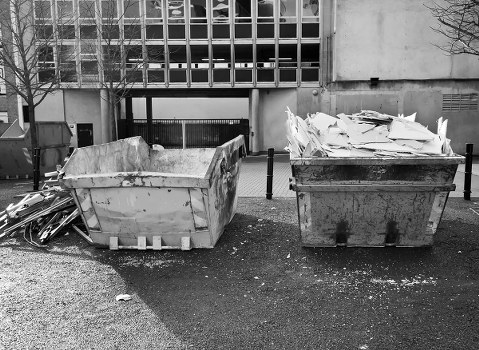 This Health and Safety policy sets out the core principles, responsibilities and safe working practices for Skip Hire Soho and associated rubbish removal operations. It applies to all staff, contractors and visitors working on sites or delivering skip hire and waste collection services across our service area. The aim is to prevent injury and ill-health, ensure compliance with general safety expectations and maintain a consistent approach to risk management for all skip and waste handling activities.
The policy covers everyday operational risks including vehicle movements, manual handling when loading skips, site set-up and access control, hazardous waste segregation and storage, and the use of lifting equipment. It also describes training requirements, personal protective equipment (PPE), incident reporting and monitoring. All team members are expected to follow the documented procedures and to report hazards promptly.
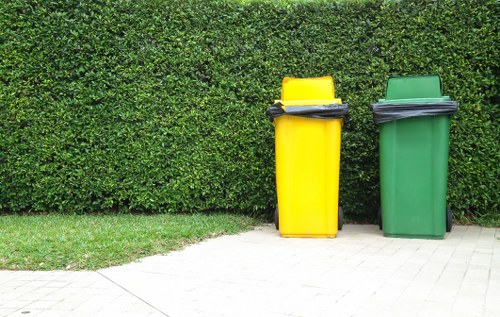 Management leadership is central: senior management must ensure that adequate resources are allocated to safety measures, that competent personnel are appointed to oversee operations, and that safety is integrated into planning for every skip hire or rubbish collection job. The policy emphasises a proactive risk assessment approach prior to site attendance and establishes a process for periodic review and improvement of safety measures.
Responsibilities are clearly defined. Managers are responsible for risk assessments, safe systems of work and ensuring all staff are trained. Supervisors must monitor daily activities and enforce controls. Employees and contractors must follow rules, wear required PPE and report hazards. Communication channels for raising concerns are formalised and protected; no adverse action will be taken against anyone who raises a safety concern in good faith.
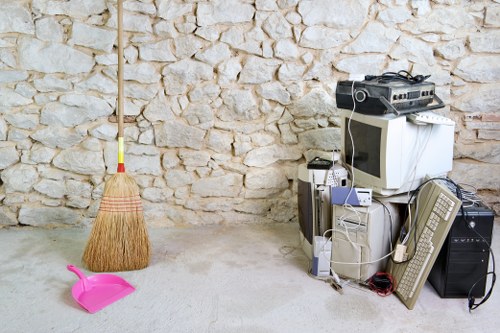 Risk assessment and control measures include identification of site-specific risks such as unstable ground, overhead obstructions, underground services, poor lighting and vehicle access constraints. Control measures for the skip hire and waste disposal sector include:
- clearly defined loading zones and vehicle exclusion areas,
- use of appropriate lifting equipment and safe hitching procedures,
- segregation of hazardous materials and use of labelled containers,
- regular inspection and maintenance of skips and lifting gear,
- provision of adequate lighting and traffic management.
Manual handling guidance is in place to reduce musculoskeletal injuries during loading, unloading and moving bulky waste. Mechanical aids are preferred for heavy items and team lifting is required where safe. Staff must follow lifting techniques and use gloves, back support where appropriate, and safety boots. Training on correct handling of waste streams and on the use of tools and plant is mandatory.
Vehicle safety is a major part of the policy for any skip delivery or rubbish collection activity. All drivers must hold valid licences and operate vehicles within load and safety limits. Daily vehicle checks, secure loading procedures and clear reversing protocols (including use of spotters or reversing alarms) are required. Roadside stops and temporary parking for drop-offs should be planned to minimise disruption and hazards to the public.
 Handling hazardous or restricted wastes follows strict controls: these materials must be identified before collection, segregated, documented and transported to authorised facilities. Staff must be trained to recognise asbestos, chemicals, solvents and other controlled substances and must never accept unidentified hazardous loads without management approval. Safe transfer and containment procedures reduce environmental and health risks.
 Training, competence and supervision form the backbone of safe operations. New starters receive induction covering site rules, PPE, vehicle safety and emergency procedures. Refresher training is scheduled regularly and competence checks are performed for specialised tasks like operating lifting equipment or handling hazardous waste. Supervision ensures adherence to safe systems, and competency records are maintained.
Emergency preparedness includes clear instructions for on-site accidents, spill control and fire response. First-aid provisions and contact procedures for emergency services are established for every site visit. Incidents and near-misses must be recorded, investigated and acted upon to prevent recurrence. A culture of continuous improvement is encouraged through lessons learned reviews and corrective actions.
Monitoring and performance measurement use regular inspections, toolbox talks and audits to ensure standards are met. Key metrics include incident rates, training completion, vehicle inspection compliance and corrective action closure. Audits are used to benchmark operational safety across skip hire functions and to drive improvements.
Review and revision of this policy occur at planned intervals or after significant incidents. The policy is the framework for safe skip hire and rubbish collection operations across our service area; it must be followed by everyone engaged in operational activities. Any queries about the application of these arrangements should be raised with the designated safety lead. Together we can maintain a safe working environment while delivering reliable skip hire and waste removal services.